AIDS Education and Prevention, Vol 11 (3), Jun 1999, 203-211
ABSTRACT:
Evaluated the effectiveness of 3 dramas created by a community theater group to disseminate HIV/AIDS information. Pre- and post-drama interviews were conducted with a cohort of 93 randomly selected audience members (aged 15–45 yrs) from 10 separate performances in Tamil Nadu, India; an interview was also conducted with a post-drama-only comparison group of 99 Ss. Ss completed a series of 12 true/false HIV/AIDS knowledge questions, as well as an open-ended question about how they would treat a neighbor with AIDS. Results show that a significant increase in HIV/AIDS-related knowledge occurred as a result of watching the drama. Before the drama, audiences had relatively high levels of accurate knowledge about HIV/AIDS, but lower knowledge levels of common HIV/AIDS misconceptions. The drama reduced these misconceptions. The drama also increased the level of reported intentions to treat HIV-positive individuals more kindly. This research demonstrates that drama can be an effective medium for communicating HIV/AIDS information and can reduce knowledge gaps associated with low levels of formal education. Drama can also be used to convey socioemotive and sensitive material and could find wide applicability in many settings. (PsycINFO Database Record (c) 2012 APA, all rights reserved)
Category: Research & Publications
-
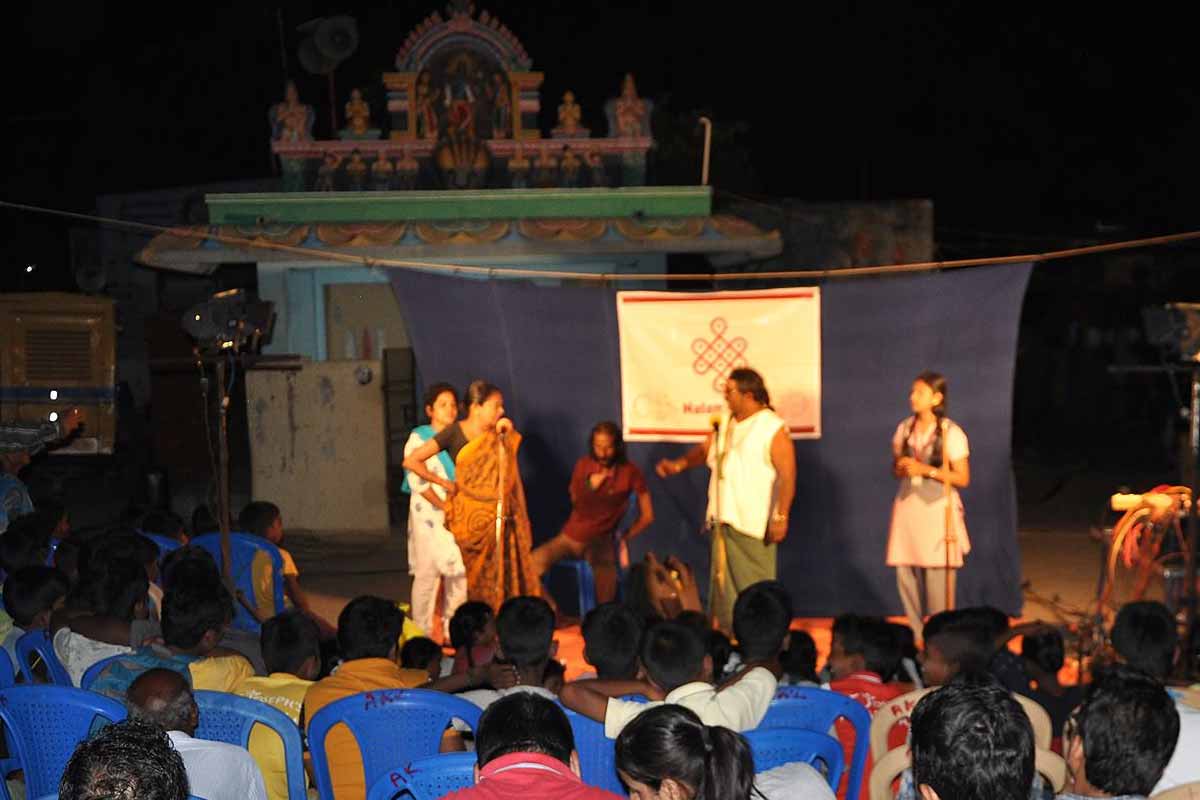
RESEARCH: An evaluation of the use of drama to communicate HIV/AIDS information
An evaluation of the use of drama to communicate HIV/AIDS information,by Thomas W. Valente and Uttara Bharathhttp://psycnet.apa.org/psycinfo/1999-03082-002
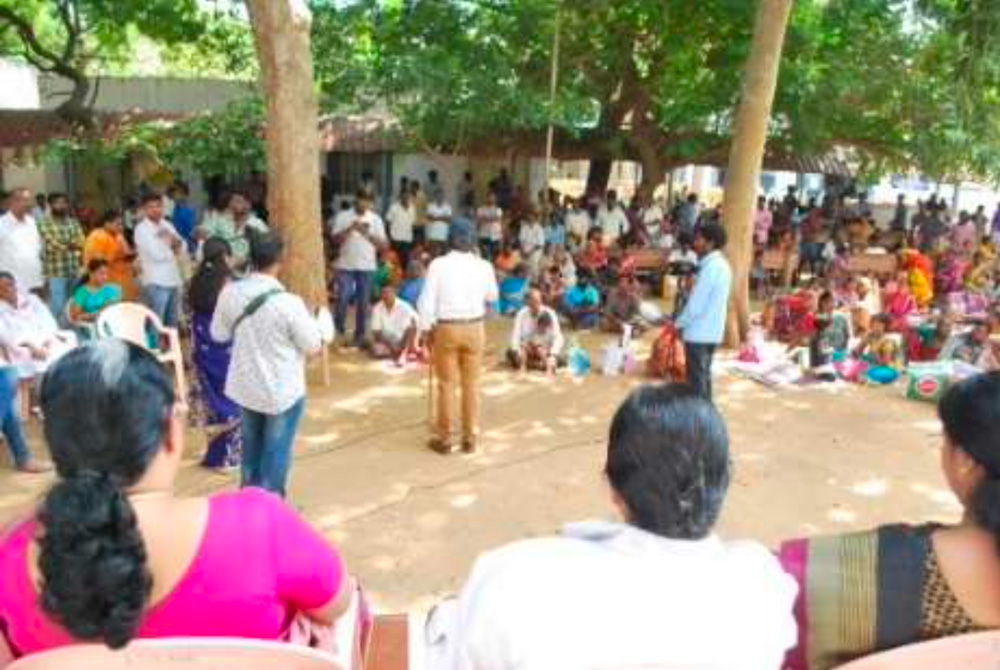
Publication – AIDS education and prevention, Vol. 21, No. 5
Abstract
With the advent of antiretroviral treatment (ART) for HIV/AIDS, governments and NGOs seek to increase the number of persons on this lifesaving medication and their adherence to the drug regimens. The conventional approach to communication within a clinical context includes provider-patient counseling, group education sessions, client information materials, and support groups. Given the layers of influence on an individual’s behavior-spouse/family/friends, community, and societal-it is essential for the ART rollout to harness the power of complementary communication channels to create an enabling environment that supports individual behavior in terms of adherence. This article explores a series of communication vehicles-different forms of mass media and community mobilization-that complement the interpersonal communication/counseling within the medical model, and it provides examples from developing countries (largely sub-Saharan Africa) that have used them to good effect in the rollout of ART.
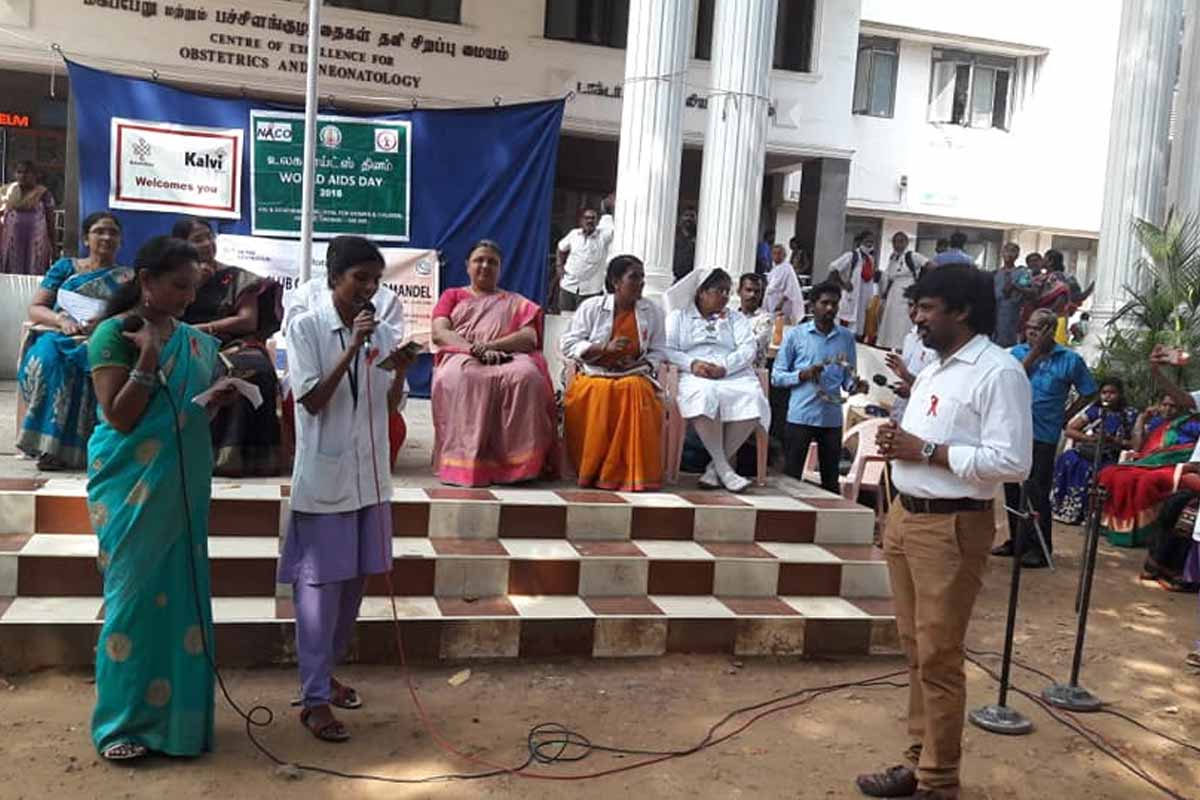
Special dissemination at Government Hospital for Thoracic Medicine (GHTM) Tambaram, Chennai
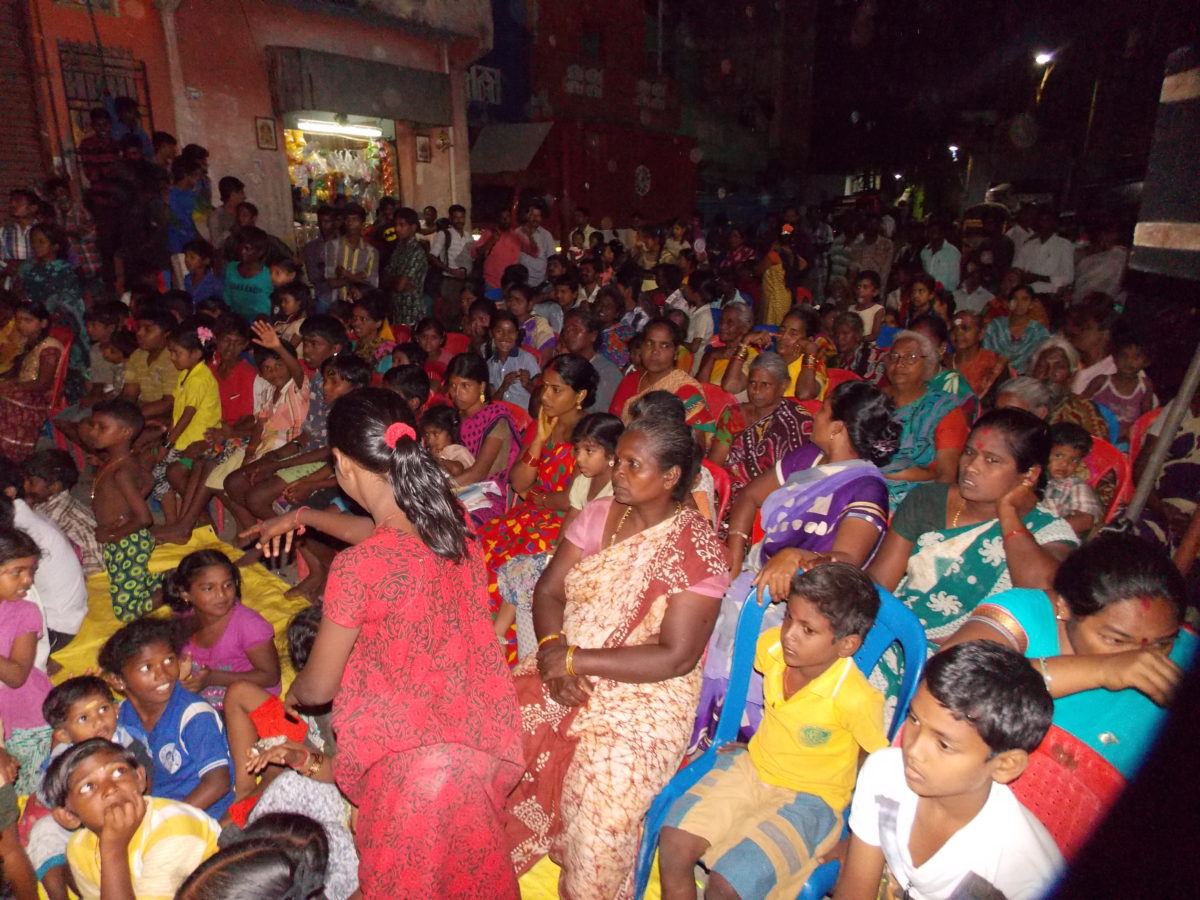
Making Waves: Stories of Participatory Communication for Social Change
Excerpt:
An evaluation of Nalamdana theatrical activities showed that a significant increase in
HIV/AIDS-related knowledge occurred as a result of watching the drama. Before the play,
audiences had relatively high levels of accurate knowledge about HIV/AIDS, but lower
knowledge levels of common HIV/AIDS misconceptions. The drama reduced these
misconceptions and also increased the level of reported intentions to treat HIV-positive
individuals more kindly.
Download PDF: http://www.communicationforsocialchange.org/pdf/making_waves.pdf
Also attached in WP Here: https://nalamdana.in/wp-content/uploads/2013/12/making_waves.pdf
at Books.Google.Com: http://books.google.com/books/about/Making_Waves.html?id=-UteAAAACAAJ