http://www.thehindu.com/todays-paper/tp-features/tp-metroplus/new-place-new-experience/article3187165.ece
New place, new experience
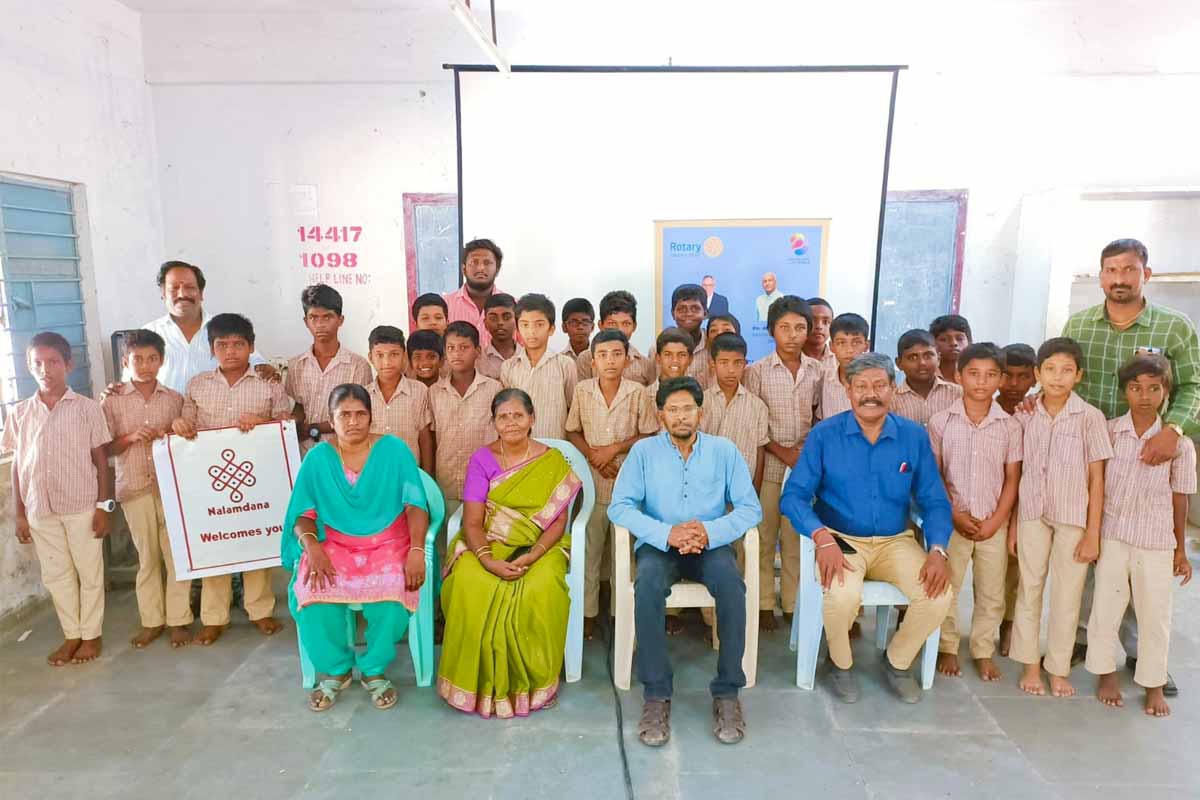
CHANGING LIVES Earthwatch volunteers at an interactive session
What was it like for the volunteers from different countries to work for an NGO in Chennai?
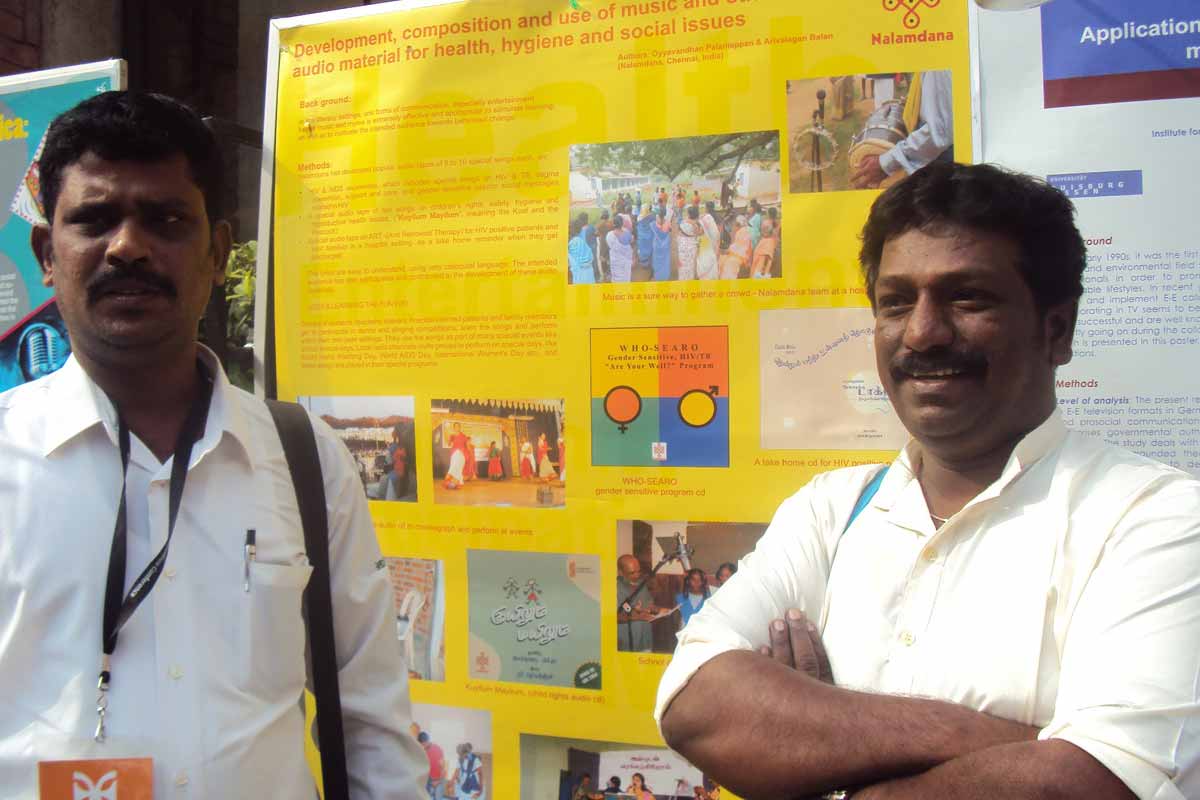
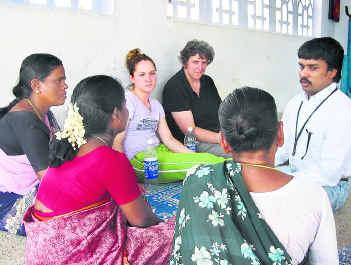 Mary Velez, a retired nurse and educator from Chicago, Ann Micka, a college student from Boston, Barbara Fallis, physician from Orillin, Canada, and Sara Monajem, professor, Public Health, Zurich, Switzerland, met and made friends in Perungudi, Chennai. They were here as volunteers for Maternal and Child Healthcare – India, a research project proposed by Nalamdana, a Chennai-based NGO, and approved by Earthwatch Institute, a Boston-based organisation that, well, watches the earth.It’s a happy marriage. Volunteers sign up for one of Earthwatch’s projects, pay the cost of participation and travel to the country to work for two weeks with a principal investigator and his/her team. Their contribution helps meet the cost of the fieldwork, and their skills and experience add to the project outcome. Volunteering for Earthwatch gives the groups a hands-on experience as opposed to a touristy one.
Varied tools
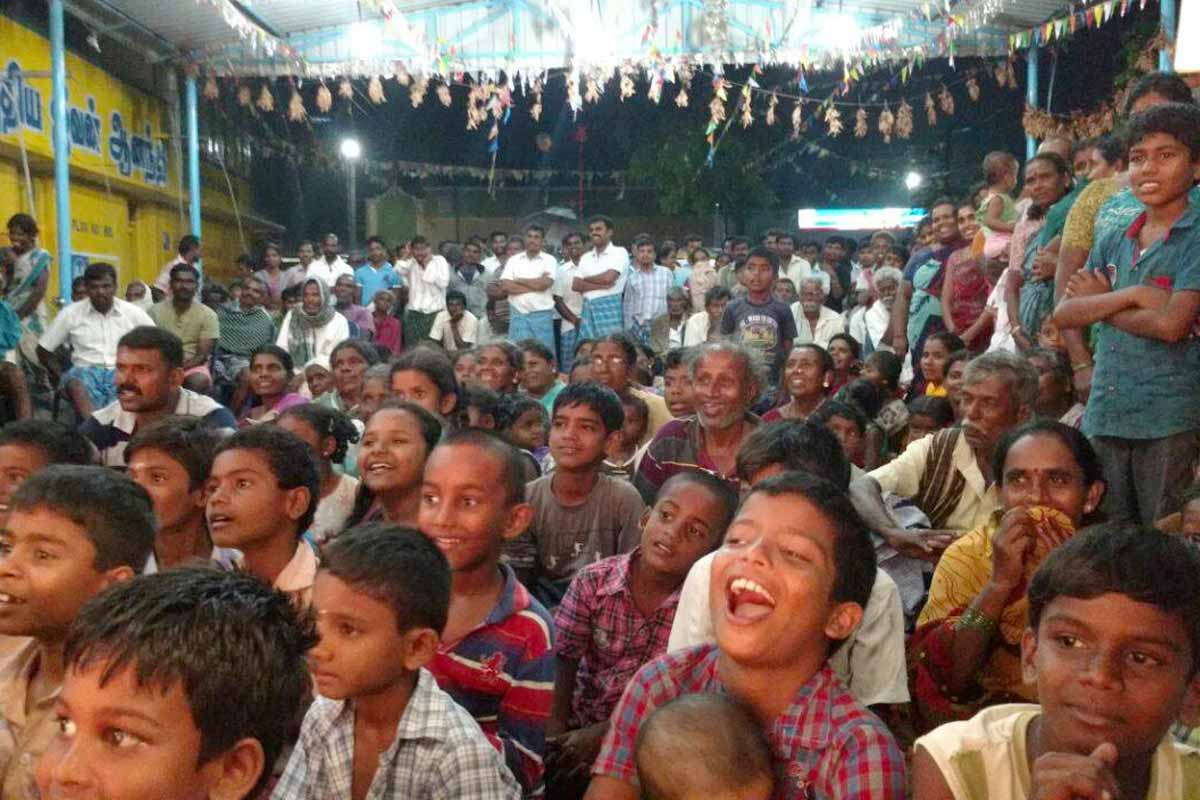
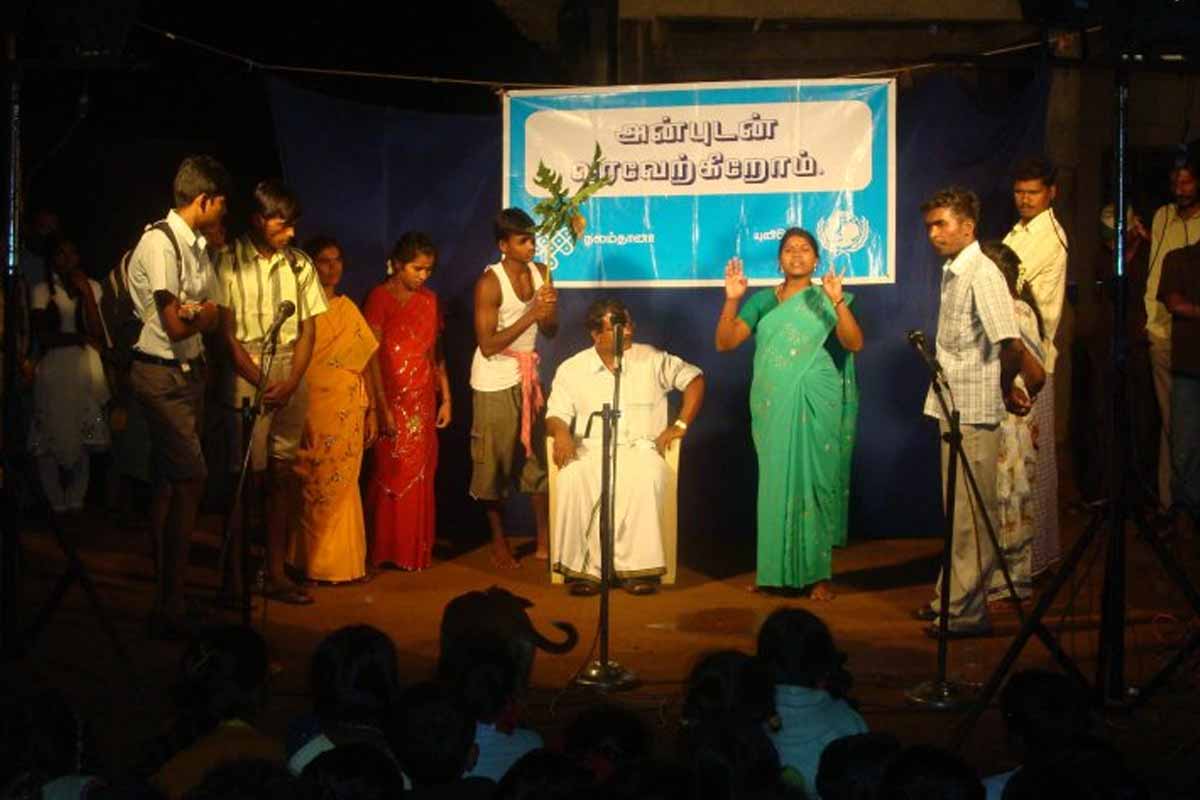
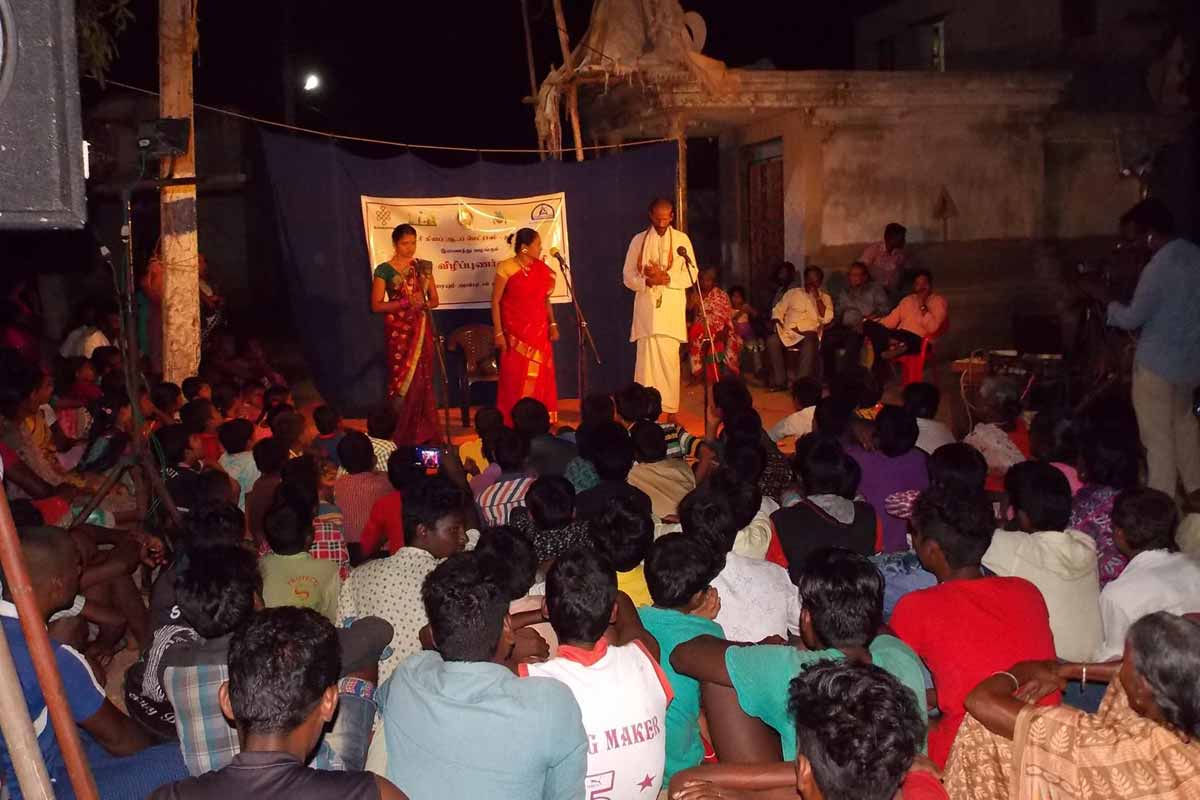
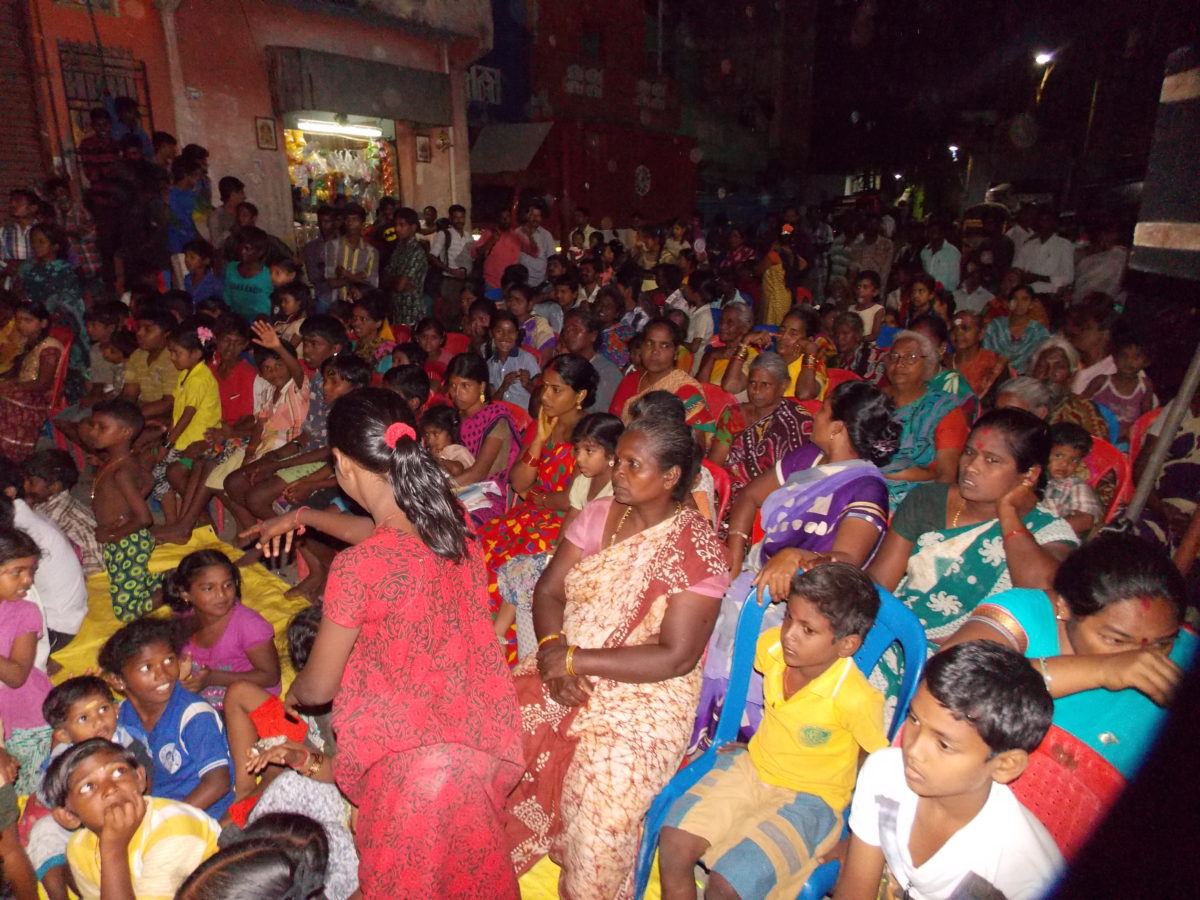
Nalamdana uses communication tools such as street plays, audio tapes and tele-films to take messages (on AIDS, hygiene, nutrition, leadership, domestic violence) to the community it targets. It does research, gathers data during the outreach programmes and shares them with local NGOs and hospitals for remedial work. When we met, the group had seen five Nalamdana theatre performances in places ranging from peri-urban Chennai to coastal fishing hamlets and worked in two urban pilot projects. They talked about their trip.Mary: I’ve been volunteering with Earthwatch for some years now. India looked like an intriguing place with a very different culture. I had read books but didn’t know what to expect from the Nalamdana project. In Chennai, I attended a Rotary Club meeting, heard music by Global Rhythms. In the field, took crowd attendance, broke it down gender-wise and added inputs to the questionnaire given before and after the performance. Barbara: I had read novels like “A Fine Balance” and “God of Small Things”. Canadian schools teach world history, so we do have authentic info on India. A big attraction is English. We viewed videos to understand the work, visited a day care centre nearby. During the tour, we sent out questionnaires and tabulated the responses. I spoke to four members of an adolescent group and did a Q & A session for the staff. I also spent time at an ICCW office, Nalamdana’s local partner. It’s hard to assess my contribution but it’s an overwhelming experience.Ann: My acquaintance with India comes from “Monsoon Wedding” and friends who have been in north India. I’ve brought with me curiosity about nutrition research. I joined a city college group doing a dietary profile in Illalur, helped them teach nutrition habits to the communities there. I must tell you about the cultural shock I had! The college girls talked of applying to Purdue and Cornell for higher studies and said, “If we don’t get in we’ll get married!” That is an amazing choice! For them staying away from home is a big event. I loved this cultural exchange. I taught them break-the-ice games that the staff found very useful. Sarah: I was influenced by Amartya Sen’s words, “Everything you say about India, the opposite is also true”. I took part in the entertainment, but don’t call it singing, prepared a lesson plan, talked to an adolescent group on oral health. I prepared abstracts for a project and am helping with the presentation. It’s fascinating that you take back to communities traditional knowledge of food and medicine. Don’t feel left out. Nithya Balaji, Executive Trustee, Nalamdana is constantly looking for local partners, local college students to work with her as volunteers, local funding support for the numerous pilot interventions planned in this project. “Isn’t volunteering while holidaying an exciting prospect?”The group will carry, among others, one thought etched in wonder: None of them had seen or heard of teaching-based street entertainment. “It is amazing,” said Dr. Barbara Fallis. “Large village communities watch the popular plays. They take in a lot of information.” Added Mary, “A bit of music, a bit of light, one backdrop and there was positive reaction.” Sarah is “incredibly impressed with the staff”. “They do everything, write the script, gather the crowds, perform, organise accommodation. It’s a great way to communicate.”GEETA PADMANABHAN